
Digestive Health · UAE
Pancreatitis is not just a bad stomach ache
The pancreas sits quietly behind the stomach, producing enzymes that digest food and hormones that regulate blood sugar. When it becomes inflamed, the pain is sharp, the risks are real, and the difference between a full recovery and a life-changing complication often comes down to how quickly a patient reaches care. In the UAE, gallstones and lifestyle-related factors are pushing pancreatic disease higher on the list of reasons people end up in emergency rooms across Dubai, Abu Dhabi and Sharjah.
Two faces of the same disease
Acute versus chronic pancreatitis
Acute pancreatitis comes on suddenly. Enzymes that should activate in the intestine switch on inside the pancreas itself, and the organ starts to digest its own tissue. Most cases in the region trace back to gallstones blocking the pancreatic duct or to heavy alcohol use. Mild attacks settle within a week; severe attacks can trigger organ failure and require intensive care.
Chronic pancreatitis is the slow, grinding version. Repeated inflammation scars the gland until it can no longer make enough enzymes or insulin. Patients live with recurring pain, weight loss, oily stools and, eventually, diabetes. According to the US National Institute of Diabetes and Digestive and Kidney Diseases chronic pancreatitis is a leading cause of long-term abdominal pain in adults.
What patients dismiss, and what actually matters
Signs worth acting on
- Severe upper-abdominal pain that radiates to the back
- Pain that worsens after eating, especially fatty meals
- Nausea and vomiting that will not settle
- Fever with a swollen, tender belly
- Yellowing of the eyes or skin (jaundice)
- Rapid heartbeat and light-headedness
- Pale, oily, foul-smelling stools
- Unexplained weight loss over weeks
What people wrongly assume it is
- “Just gastritis” from a heavy shawarma night
- Indigestion that antacids will fix
- Muscle strain from the gym
- Food poisoning from a takeaway
- Stress-related stomach cramps
- A gallbladder “flare” that will pass on its own
- Ramadan-related digestive upset
- Back pain from long desk hours
Tip 1: Take gallstone-related pain seriously
Gallstones are the single biggest trigger for acute pancreatitis worldwide, and the pattern holds in the Gulf. A stone slipping out of the gallbladder can lodge where the bile and pancreatic ducts meet, backing up enzymes into the pancreas. Dietary habits high in refined carbs, fried food and rapid weight cycling all raise the risk. If you already know you have gallstones, do not wait for a second attack.
- Get imaging early. An abdominal ultrasound is quick, painless, and widely available at UAE clinics; it detects most gallstones.
- Ask about elective cholecystectomy. Removing a stone-filled gallbladder after one pancreatitis episode significantly lowers the chance of a second, more severe attack.
- Do not self-medicate. Painkillers can mask a duct blockage that is actively damaging pancreatic tissue.
- Know the referral route. Most public and private hospitals in Dubai and Abu Dhabi have general surgery teams on call 24/7 for gallstone emergencies.
Tip 2: Understand the diagnostic path before you need it
Doctors do not diagnose pancreatitis on symptoms alone. Expect a layered workup, starting simple and adding detail only where needed. Knowing the sequence helps you ask the right questions and avoid unnecessary repeat scans if you switch facilities.
- Blood tests. Serum amylase and lipase are the first-line markers. Lipase raised more than three times the upper limit strongly suggests acute pancreatitis.
- Abdominal ultrasound. Looks for gallstones and duct dilation. Usually the first imaging step.
- Contrast-enhanced CT scan. The workhorse for staging severity, spotting necrosis, and ruling out complications like pseudocysts.
- MRI and MRCP. Magnetic resonance cholangiopancreatography maps the ducts in fine detail, useful when a stone or stricture is suspected but not seen on ultrasound.
- Endoscopic ultrasound (EUS). Combines endoscopy with high-resolution imaging; often used to investigate chronic pancreatitis, small tumours, or unexplained duct changes.
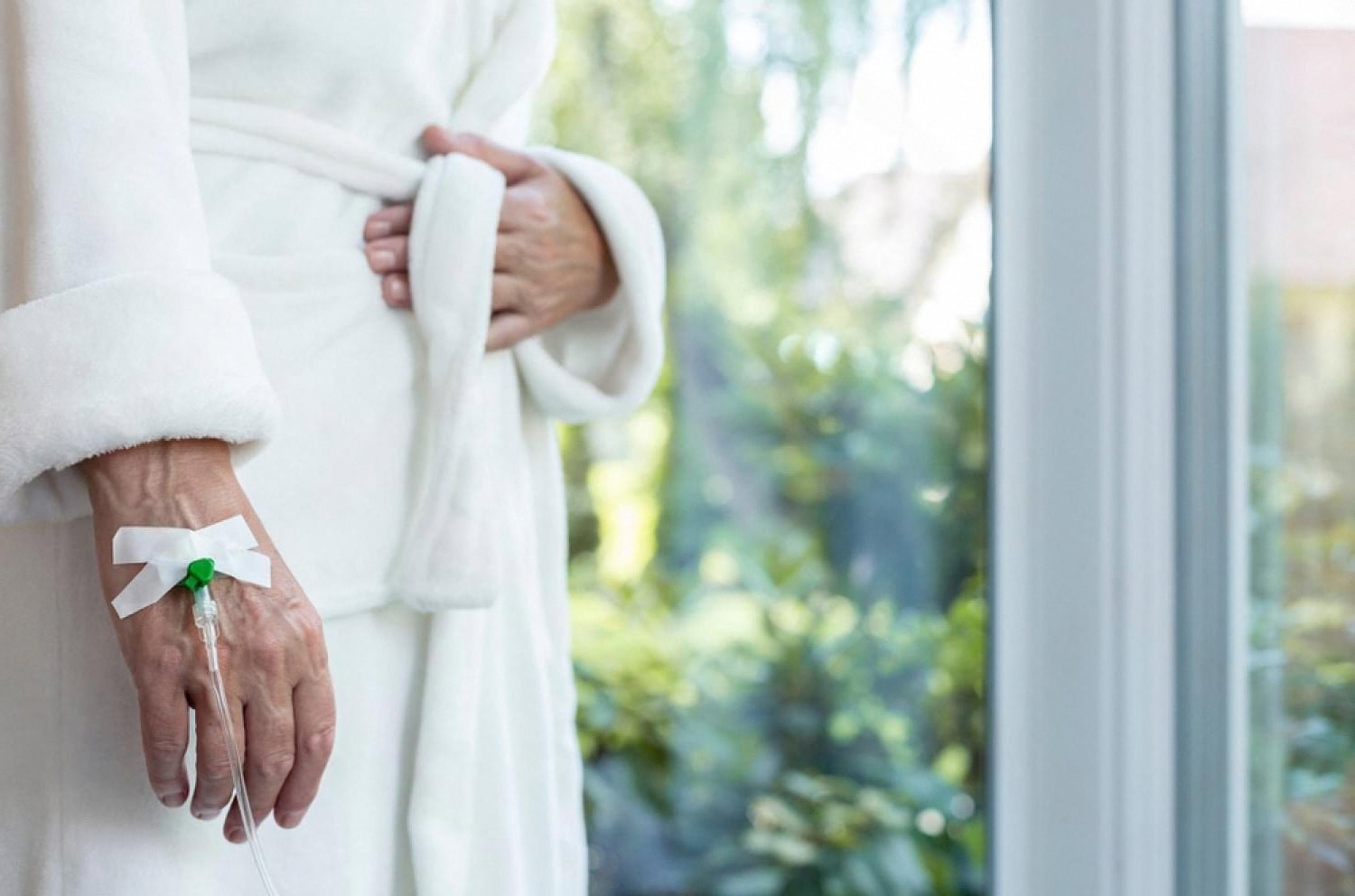
Guidance from the UK NHS stresses that admission for observation, IV fluids and pain control is standard even in mild acute cases, because deterioration can happen within hours.

Tip 3: Know the full treatment spectrum
Treatment is not one-size-fits-all. It ranges from a few days of rest and fluids to complex surgery, depending on cause, severity and whether the disease is acute or chronic.
Conservative management
- Bowel rest, IV fluids, and electrolyte correction in hospital
- Pain control, usually with opioid analgesia in acute settings
- Early nutrition, often through a nasojejunal tube in severe cases
- Antibiotics only when infection is confirmed, not routinely
- Pancreatic enzyme replacement therapy (PERT) for chronic cases
- Insulin therapy if pancreatic diabetes develops
Interventional and surgical options
- ERCP to remove obstructing gallstones from the bile duct
- Laparoscopic cholecystectomy after gallstone pancreatitis
- Drainage procedures for infected necrosis or pseudocysts
- Distal pancreatectomy for tumours or damage in the tail of the pancreas
- Whipple procedure (pancreaticoduodenectomy) for tumours of the pancreatic head
- Total pancreatectomy with islet auto-transplantation in selected chronic cases
Outcomes are strongly linked to timing. Data summarised by medical literature on acute pancreatitis show that mortality in mild cases is under 1 percent, but rises to 20 to 30 percent when severe necrotising disease develops without early intervention. Pancreatic cancer, when caught before it spreads and treated with a Whipple resection in a high-volume centre, has five-year survival figures many times higher than late-stage disease.
What to avoid at all costs
If you are recovering from pancreatitis, or trying to prevent a first episode, the following habits carry the highest risk of triggering a fresh attack or accelerating chronic damage:
- Any alcohol use after an alcohol-related episode, even “just one drink”
- Smoking, which independently doubles the risk of chronic pancreatitis
- Delaying gallbladder surgery after a gallstone-triggered attack
- Crash diets and repeated fasting-refeeding cycles that stress bile flow
- Ignoring recurring upper-abdominal pain and self-medicating for months
- Skipping enzyme replacement doses if they have been prescribed
The bottom line
Early answers change the outcome
Pancreatic disease is one of those conditions where a day or two makes a real difference. If upper-abdominal pain is severe, radiates to the back, or comes with vomiting and fever, treat it as an emergency rather than a stomach upset. The diagnostic tools are widely available across the UAE, and the treatment options, from a single ERCP to a full Whipple, are all offered at established tertiary centres.
Frequently asked questions
Can pancreatitis go away on its own without hospital treatment?
Mild acute pancreatitis often settles within a week, but that recovery still needs to happen under medical supervision. Hospitals provide IV fluids, pain control, and monitoring for complications like organ failure or infected necrosis, which can develop within the first 48 to 72 hours.
Trying to ride it out at home is risky. Even a mild-looking case can deteriorate quickly, and delayed presentation is one of the strongest predictors of a poor outcome.
How is gallstone pancreatitis different from alcohol-related pancreatitis?
Both cause the same inflammatory damage inside the pancreas, but the trigger and the treatment path differ. Gallstone pancreatitis is caused by a stone blocking the pancreatic duct, and it is usually treated by removing the stone (via ERCP if needed) and later removing the gallbladder itself to prevent recurrence.
Alcohol-related pancreatitis needs complete abstinence from alcohol, nutritional support, and often long-term follow-up because the risk of progression to chronic pancreatitis is high.
Is pancreatitis common in the UAE?
Pancreatitis is a growing concern in the region. Gallstone disease is highly prevalent, partly because of dietary patterns, obesity, and diabetes, all of which are common across the Gulf. Since gallstones are the leading cause of acute pancreatitis worldwide, incidence in the UAE tracks that pattern.
Most large hospitals in Dubai, Abu Dhabi, and Sharjah manage pancreatitis admissions routinely and have hepatobiliary surgery teams for advanced cases.
What is the Whipple procedure and when is it used?
The Whipple procedure, formally called pancreaticoduodenectomy, removes the head of the pancreas along with the duodenum, part of the bile duct, and the gallbladder. It is most often performed for tumours of the pancreatic head, but it is also used for certain chronic pancreatitis cases and benign lesions.
It is a major operation with a long recovery, so outcomes are best in high-volume specialist centres. Modern techniques, including laparoscopic and robotic Whipple, have shortened hospital stays significantly.
Can chronic pancreatitis lead to diabetes?
Yes. When repeated inflammation scars the pancreas, it eventually damages the insulin-producing cells. The result is a form of diabetes sometimes called pancreatogenic or type 3c diabetes. It behaves differently from typical type 2 diabetes and often requires insulin from the outset.
Patients also lose digestive enzyme production, so most need pancreatic enzyme replacement therapy alongside blood-sugar control.
What foods should I avoid after a pancreatitis attack?
After an acute episode, most doctors advise a low-fat diet with small, frequent meals. Fried foods, heavy cream-based dishes, red meat in large portions, and rich desserts put extra load on an already inflamed gland. Alcohol should be avoided completely, at least during recovery, and permanently if alcohol was the trigger.
A dietitian can help build a sustainable plan, especially for patients with chronic pancreatitis who also need to prevent weight loss.
How quickly should I go to the emergency room for suspected pancreatitis?
Immediately. Severe upper-abdominal pain that radiates to the back, especially with nausea, vomiting, fever, or jaundice, warrants an emergency-room visit within hours, not days. Blood tests for lipase and an ultrasound can confirm or rule out pancreatitis quickly.
Early fluid resuscitation in the first 24 hours is one of the strongest factors linked to better outcomes in acute pancreatitis.

I am an accomplished coder and programmer, and I enjoy using my skills to contribute to the exciting technological advances that happen every day at Oswald Tech.